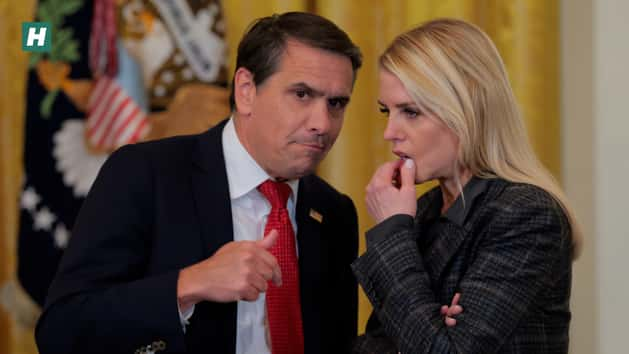
The U.S. and Iran on Monday were weighing the framework of a plan to end their five‑week-old conflict, even as Tehran pushed back against pressure to swiftly reopen the Strait of Hormuz on the eve of a new ultimatum set by Trump.
A new diplomatic push is underway to end the escalating conflict between the United States and Iran, as global mediators work urgently to secure a ceasefire. The proposed plan, reportedly backed by regional players including Pakistan, aims to pause hostilities and create space for broader negotiations—but major hurdles remain.
A Two-Phase Peace Proposal
At the heart of the current effort is a structured, two-step framework designed to de-escalate tensions. The first phase focuses on an immediate ceasefire, potentially lasting several weeks, allowing both sides to halt military operations and reduce regional instability.
The second phase would move into deeper negotiations, addressing long-standing issues such as sanctions, nuclear activity, and regional security arrangements. Mediators hope that stopping the violence first will make it easier to reach a long-term agreement.
The Strait of Hormuz: A Key Sticking Point
One of the most critical elements of the proposal is the reopening of the Strait of Hormuz, a vital global oil shipping route. The U.S. has made this a central condition for any ceasefire, given its importance to international energy markets.
THIS MOMENT DEMANDS TRUTH.
In a deeply divided country, journalism is a safeguard.
Already a member? Log in to hide these messages.
However, Iran has been reluctant to accept terms tied to the strait, viewing such demands as excessive and politically motivated. The disagreement over this issue remains one of the biggest obstacles to progress.
Rising Military Pressure
Despite ongoing diplomatic efforts, tensions on the ground continue to escalate. Both sides have exchanged strong warnings, with threats targeting infrastructure and strategic assets.
Recent developments include:
- Intensified military operations and airstrikes
- Threats of retaliation against civilian and energy infrastructure
- Increased regional instability involving neighboring countries
These actions have raised concerns globally, as any further escalation could trigger a wider conflict across the Middle East.
The Role of International Mediators
Countries such as Pakistan, along with other regional and global actors, are playing a key role in trying to bring both sides to the negotiating table. Their proposal emphasizes a gradual approach—first stopping the fighting, then building toward a comprehensive peace deal.
The plan may also include:
- Lifting certain economic sanctions
- Releasing frozen financial assets
- Restarting discussions around Iran’s nuclear program
However, Iran has not yet fully agreed to the proposal, and negotiations remain uncertain.
Uncertainty Still Looms
While the ceasefire plan offers a possible path forward, significant challenges remain. Deep mistrust between the two sides, conflicting demands, and ongoing military actions all complicate the situation.
Previous attempts at negotiation have failed, and both nations continue to approach talks with caution. Analysts warn that without compromise, the conflict could continue to escalate despite diplomatic efforts.
Conclusion
The proposed US–Iran ceasefire plan represents a critical opportunity to reduce tensions and prevent further conflict. However, success will depend on both sides’ willingness to compromise and engage in meaningful dialogue.
For now, the world watches closely as diplomacy and conflict unfold side by side—leaving the future of the region uncertain.